Why remote work stopped working for me


Remote work is amazing and so is pizza. But you shouldn’t eat pizza every day and you shouldn’t work from home every day either.
As an introvert I hate small talk and loud spaces, so when remote work became the default during COVID, it felt like the world had finally adjusted to me. No commute, no noise and no forced conversations. I could work in silence with my cat on my lap.
When the lockdowns ended, we had the option to keep working from home and I took it. However, there were still some moments that pulled me into the office, like team building activities, or client workshops.
Every time I had to go it felt like punishment, but after a couple of weeks, I noticed something in my mood diary. On the days I went in, I was in a better mood at the end of the day and I slept better.
This confused me. Remote work removed everything I found draining about offices. It gave me comfort and focus. But I started losing things. The trade-offs weren’t obvious at first. They showed up slowly, in ways that were hard to measure.
I had less interruptions, but I lost the people I cared about. I had more focused work, but I got stuck more often. I was more comfortable, but with less energy to create new things.
That’s why despite loving remote working, I don’t do it anymore.
Less interruptions but less connections
At first I didn’t feel disconnected from my team. We already knew each other well. We even had calls with cameras. What I didn’t realize is that relationships get cold without face-to-face interactions.

I had this developer friend who I used to grab beers after work. We were close, but when we went remote, we stopped seeing each other every day. And because we weren’t on the same projects, and because we both had busy lives, it became harder to find time.
Our Slack conversations turned into logistics. “We should catch up soon.” “Yeah, definitely.” We never did.
It wasn’t just him. People in other teams I didn’t work with directly, started fading out. People I liked chatting with became distant. They stopped being part of my daily world.
On paper, remote work was perfect for someone like me. But after a full day at home, something felt off. I was more focused, sure. But I was also more isolated than I realized.
More focused but more stuck
The more experience you have, the better you get at solving problems. But most product problems aren’t hard because of technical complexity. They’re hard because you need to understand constraints that aren’t written down anywhere. Technical limitations, legal requirements and strategic priorities that shift depending on who you ask.

When you’re remote, every question becomes a Slack message. Then you wait. Then you get a partial answer. Then you send another message. Then, eventually, someone schedules a meeting.
In an office, you turn your chair and ask. What takes days remotely takes minutes in person.
I was getting more uninterrupted time to work, but I was also getting stuck more often. And the time I saved from fewer interruptions, I lost to waiting for answers.
I also started noticing how much I used to learn just by being around people. Overhearing a conversation between two senior engineers. Watching someone navigate a tough client call. Asking a question to whoever happened to be nearby.
Remote work killed that. Everything became formal. You don’t casually ping the busy expert for a two-minute question. You schedule a call, which feels too serious, so you postpone it. Most of the time it never happens.
None of this shows up in productivity metrics. You mostly notice it when you’re trying to move fast and everything feels slightly heavier than it should.
More comfortable but less hungry
In the first few months at home I felt a spike in productivity. I started personal projects and experimented with new technologies. But after a while I lost the hunger to make new things. I just wanted to finish my tasks and go to bed to watch something, read something or eat something. And the scary part is that I felt comfortable with it.
I started to default to comfort and making excuses to stay home instead of going out. Even though I used to love restaurants, it became easier to order food and watch a movie. Why bother getting dressed? Why deal with the walk? The whole process felt like too much effort.

The tricky part about comfort is that it doesn’t feel dangerous. There’s no hangover. No clear signal that something is wrong. You just shrink your world a little at a time, and each step feels reasonable.
I didn’t realize how bad it had gotten until I looked at my mood diary and saw the pattern. The days I went to the office, I felt more tired at the end of the day. But I also felt more satisfied. It was like going to the gym. Like I had spent my energy on something real instead of just conserving it.
That’s when I decided to go back, even though it wasn’t what I felt like doing. It’s been a year since I decided to work from the office at least 3 days a week and I can’t recommend it enough.
So, should everyone go back as I did?
No. For some people going to the office means a ten-minute walk. For others it’s two hours of commuting. For some home is calm and for others it’s isolating.
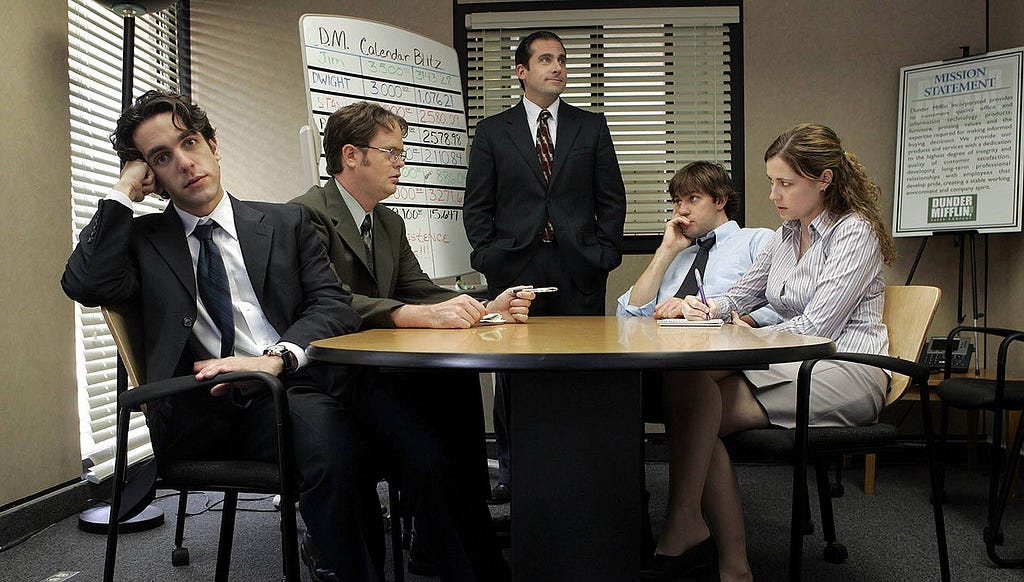
If I had to choose between removing flexibility or removing the office, I’d remove the office first. Autonomy matters. Forcing people creates resentment, not results.
But I also think we’ve oversold the benefits of remote work and undersold the benefits of showing up somewhere together.
The perks of working from home are obvious. Everyone knows them. The benefits of an office are blurrier. They show up in how fast decisions get made, how quickly people learn, how connected you feel to the work and to the people doing it with you.
I think we should stop using labels like “remote-friendly” or “hybrid company.” Companies shouldn’t define themselves by where people work. Here is a simpler framing: we have a place where we work together and we also have the option not to be there all the time.
If you’re fully remote and it’s working for you, great. I’m not here to convince you otherwise. But if something feels slightly off and you can’t quite explain it, try going to the office for a week and track how you feel at the end of each day.
Humans are good at choosing what’s convenient. We’re less good at choosing what’s actually better for us. Sometimes what makes life better isn’t comfortable.
Meaningful relationships take effort. Learning from others requires being around them. Staying creative needs energy you can’t save up at home.
I stopped optimizing for comfort. Now I just track how I feel at the end of each day. That’s the only metric that matters.
Why remote work stopped working for me was originally published in UX Planet on Medium, where people are continuing the conversation by highlighting and responding to this story.
المصدر: المصدر الأصلي
{“@context”:”https://schema.org”,”@type”:”NewsArticle”,”headline”:”Why remote work stopped working for me”,”description”:”
Remote work is amazing and so is pizza. But you shouldn’t eat pizza every day and you shouldn’t work from home every day either.
As an introvert I hate small talk and loud spaces, so when remote work became the default during COVID, it felt like the world had finally adjusted to me. No commute, no noise and no forced conversations. I could work in silence with my cat on my lap.
When the lockdowns ended, we had the option to keep working from home and I took it. However, there were still some moments that pulled me into the office, like team building activities, or client workshops.
Every time I had to go it felt like punishment, but after a couple of weeks, I noticed something in my mood diary. On the days I went in, I was in a better mood at the end of the day and I slept better.
This confused me. Remote work removed everything I found draining about offices. It gave me comfort and focus. But I started losing things. The trade-offs weren’t obvious at first. They showed up slowly, in ways that were hard to measure.
I had less interruptions, but I lost the people I cared about. I had more focused work, but I got stuck more often. I was more comfortable, but with less energy to create new things.
That’s why despite loving remote working, I don’t do it anymore.
Less interruptions but less connections
At first I didn’t feel disconnected from my team. We already knew each other well. We even had calls with cameras. What I didn’t realize is that relationships get cold without face-to-face interactions.
I had this developer friend who I used to grab beers after work. We were close, but when we went remote, we stopped seeing each other every day. And because we weren’t on the same projects, and because we both had busy lives, it became harder to find time.
Our Slack conversations turned into logistics. “We should catch up soon.” “Yeah, definitely.” We never did.
It wasn’t just him. People in other teams I didn’t work with directly, started fading out. People I liked chatting with became distant. They stopped being part of my daily world.
On paper, remote work was perfect for someone like me. But after a full day at home, something felt off. I was more focused, sure. But I was also more isolated than I realized.
More focused but more stuck
The more experience you have, the better you get at solving problems. But most product problems aren’t hard because of technical complexity. They’re hard because you need to understand constraints that aren’t written down anywhere. Technical limitations, legal requirements and strategic priorities that shift depending on who you ask.
When you’re remote, every question becomes a Slack message. Then you wait. Then you get a partial answer. Then you send another message. Then, eventually, someone schedules a meeting.
In an office, you turn your chair and ask. What takes days remotely takes minutes in person.
I was getting more uninterrupted time to work, but I was also getting stuck more often. And the time I saved from fewer interruptions, I lost to waiting for answers.
I also started noticing how much I used to learn just by being around people. Overhearing a conversation between two senior engineers. Watching someone navigate a tough client call. Asking a question to whoever happened to be nearby.
Remote work killed that. Everything became formal. You don’t casually ping the busy expert for a two-minute question. You schedule a call, which feels too serious, so you postpone it. Most of the time it never happens.
None of this shows up in productivity metrics. You mostly notice it when you’re trying to move fast and everything feels slightly heavier than it should.
More comfortable but less hungry
In the first few months at home I felt a spike in productivity. I started personal projects and experimented with new technologies. But after a while I lost the hunger to make new things. I just wanted to finish my tasks and go to bed to watch something, read something or eat something. And the scary part is that I felt comfortable with it.
I started to default to comfort and making excuses to stay home instead of going out. Even though I used to love restaurants, it became easier to order food and watch a movie. Why bother getting dressed? Why deal with the walk? The whole process felt like too much effort.
The tricky part about comfort is that it doesn’t feel dangerous. There’s no hangover. No clear signal that something is wrong. You just shrink your world a little at a time, and each step feels reasonable.
I didn’t realize how bad it had gotten until I looked at my mood diary and saw the pattern. The days I went to the office, I felt more tired at the end of the day. But I also felt more satisfied. It was like going to the gym. Like I had spent my energy on something real instead of just conserving it.
That’s when I decided to go back, even though it wasn’t what I felt like doing. It’s been a year since I decided to work from the office at least 3 days a week and I can’t recommend it enough.
So, should everyone go back as I did?
No. For some people going to the office means a ten-minute walk. For others it’s two hours of commuting. For some home is calm and for others it’s isolating.
If I had to choose between removing flexibility or removing the office, I’d remove the office first. Autonomy matters. Forcing people creates resentment, not results.
But I also think we’ve oversold the benefits of remote work and undersold the benefits of showing up somewhere together.
The perks of working from home are obvious. Everyone knows them. The benefits of an office are blurrier. They show up in how fast decisions get made, how quickly people learn, how connected you feel to the work and to the people doing it with you.
I think we should stop using labels like “remote-friendly” or “hybrid company.” Companies shouldn’t define themselves by where people work. Here is a simpler framing: we have a place where we work together and we also have the option not to be there all the time.
If you’re fully remote and it’s working for you, great. I’m not here to convince you otherwise. But if something feels slightly off and you can’t quite explain it, try going to the office for a week and track how you feel at the end of each day.
Humans are good at choosing what’s convenient. We’re less good at choosing what’s actually better for us. Sometimes what makes life better isn’t comfortable.
Meaningful relationships take effort. Learning from others requires being around them. Staying creative needs energy you can’t save up at home.
I stopped optimizing for comfort. Now I just track how I feel at the end of each day. That’s the only metric that matters.
Why remote work stopped working for me was originally published in UX Planet on Medium, where people are continuing the conversation by highlighting and responding to this story.
“,”datePublished”:”2026-01-16 13:50:04″,”author”:{“@type”:”Organization”,”name”:”العربية”},”publisher”:{“@type”:”Organization”,”name”:”Newsly”,”url”:”https://wordpress-hr2d6.wasmer.app”},”image”:”https://cdn-images-1.medium.com/max/1024/0*WKlFTWcTBky2V9Ni.jpg”}

Post Comment